Skip
Paskal Zippers And Fasteners
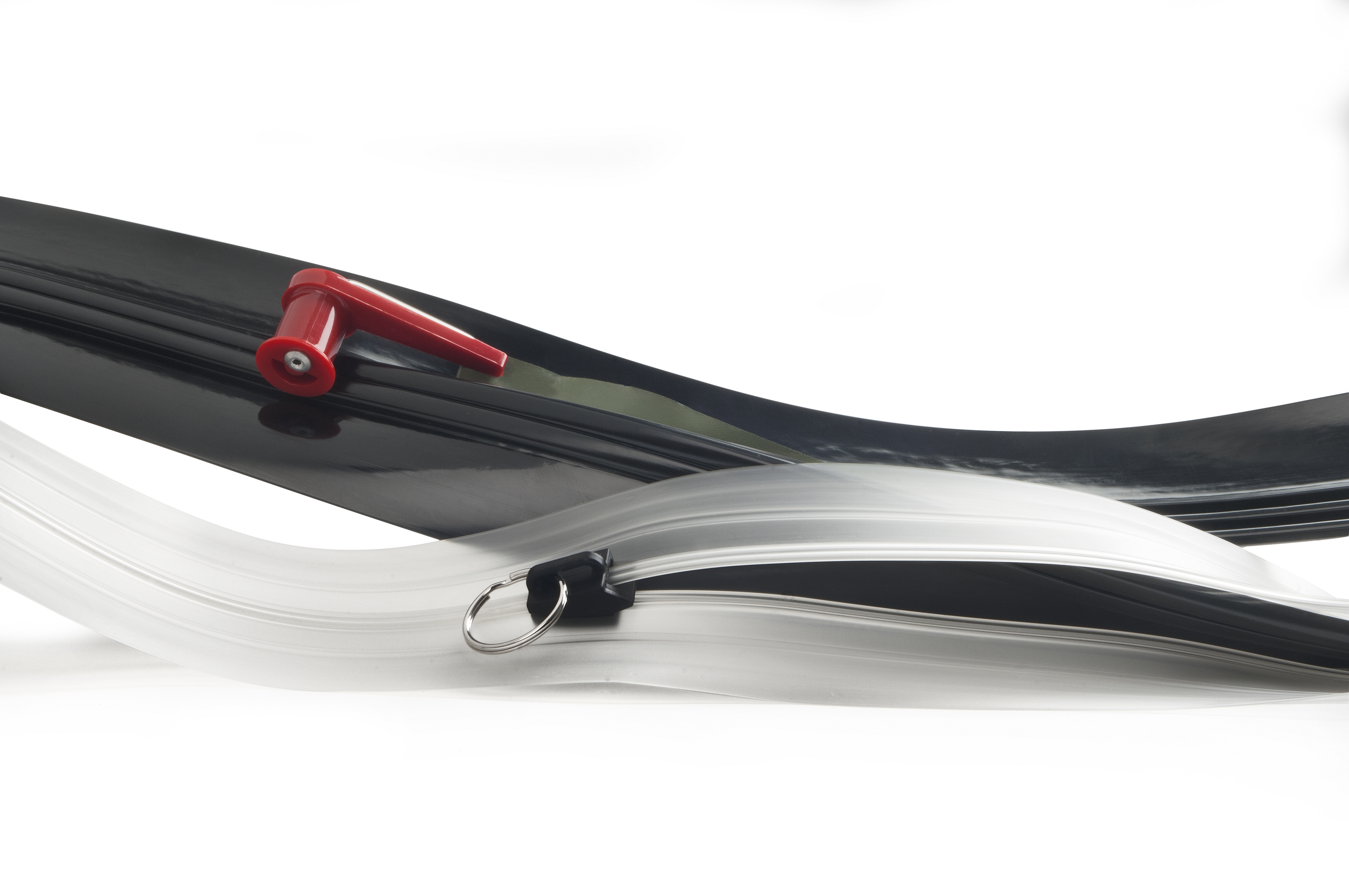
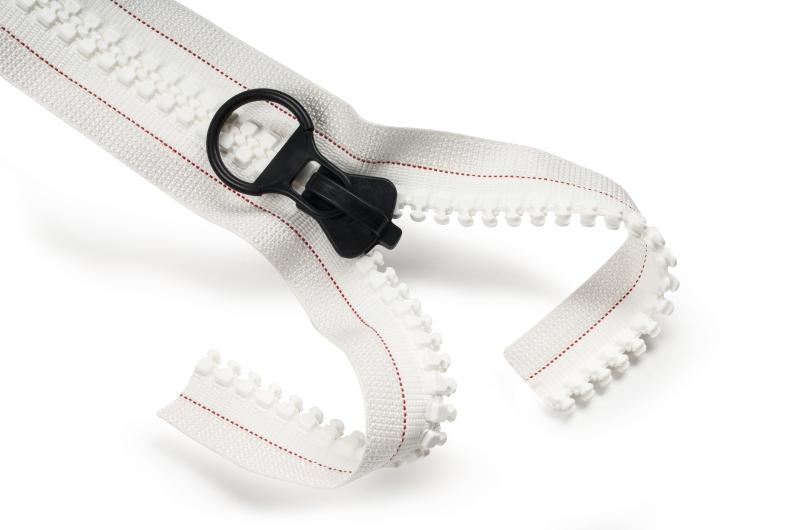
Product: Paskal Zippers and Fasteners PVC Weldable zippers

Paskal Zippers and Fasteners PVC Weldable zippers

Paskal Zippers And Fasteners

Description

Paskal Zipper and Fasteners’ weldable zippers (also called heat-sealable or RF-weldable zippers) are widely used in technical textiles where sewing creates weaknesses or performance limits. Below is a clear, industry-focused comparison highlighting the advantages of weldable zippers over stitched/sewn zippers.

1. Superior Waterproofing & Airtightness

Key Advantage

  • Welding creates a continuous, hole-free bond between zipper and fabric.

Why it matters

  • Sewing punctures the fabric with needle holes, which become leak paths.
  • Welded seams are inherently waterproof, airtight, and gas-tight.

Applications

  • Dry suits
  • Hazmat suits
  • Inflatable structures
  • Medical containment products

2. Higher Seam Strength & Load Distribution

Key Advantage

  • Welded zippers distribute stress uniformly across the bonded area.

Why it matters

  • Stitching concentrates stress along thread lines, leading to tear-outs.
  • Welded seams reduce peel and shear failure, especially in coated fabrics.

Applications

  • Industrial covers
  • Inflatable boats
  • Heavy-duty protective gear

3. Improved Durability in Harsh Environments

Key Advantage

  • No thread = no thread degradation.

Why it matters

  • Sewing threads can fail due to:
    • UV exposure
    • Chemicals
    • Saltwater
    • Heat and abrasion
  • Welded seams eliminate this weak point.

Applications

  • Marine textiles
  • Chemical protective clothing
  • Outdoor and military equipment

4. Compatibility with Coated & Laminated Fabrics

Key Advantage

  • Weldable zippers bond seamlessly with PU, PVC, TPU, and rubber-coated textiles.

Why it matters

  • Sewing damages coatings and laminations.
  • Welding preserves the functional barrier layer of the fabric.

Applications

  • Rainwear
  • Medical mattress covers
  • Inflatable products

5. Faster & More Consistent Industrial Production

Key Advantage

  • Welding is easier to automate than sewing.

Why it matters

  • Reduces labor dependency and operator variability.
  • Produces repeatable, high-quality seams.
  • Lower rejection and rework rates.

Applications

  • Mass production of PPE
  • Medical and hygiene products

6. Cleaner & More Hygienic Construction

Key Advantage

  • Smooth, sealed seams with no thread exposure.

Why it matters

  • Threads can harbor bacteria and contaminants.
  • Welded seams are easier to clean and sterilize.

Applications

  • Medical textiles
  • Cleanroom garments
  • Food-processing protective wear

7. Better Aesthetic & Functional Integration

Key Advantage

  • Clean, modern appearance with no visible stitching.

Why it matters

  • Enables sleek product designs.
  • Allows integration into transparent or thin films.

Applications

  • Architectural membranes
  • Consumer technical products

8. Reduced Post-Processing Requirements

Key Advantage

  • No need for seam sealing tapes or coatings.

Why it matters

  • Sewn zippers often require additional seam-sealing steps.
  • Welding achieves sealing in one operation, saving time and cost.
More products by Paskal Zippers And Fasteners

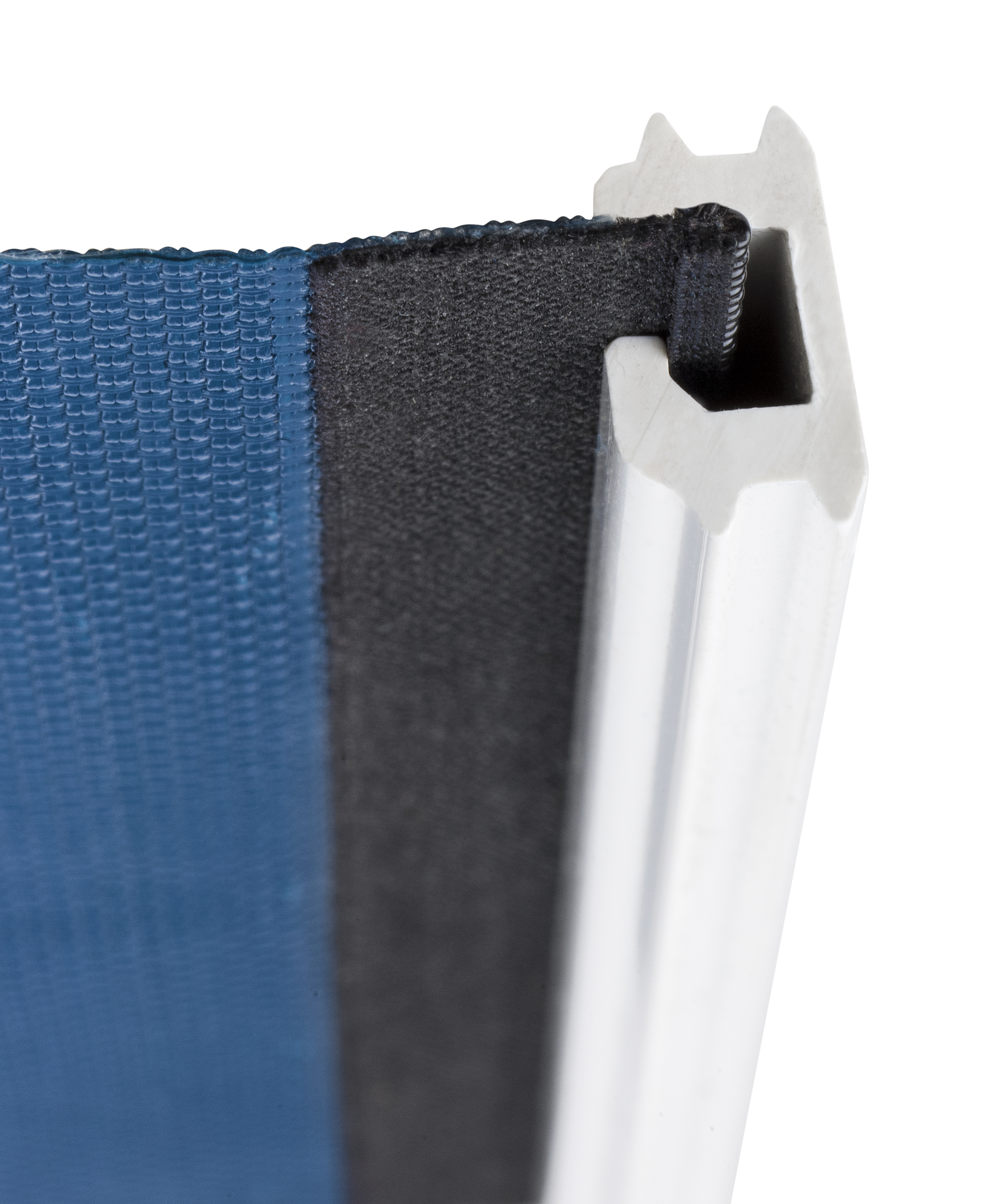
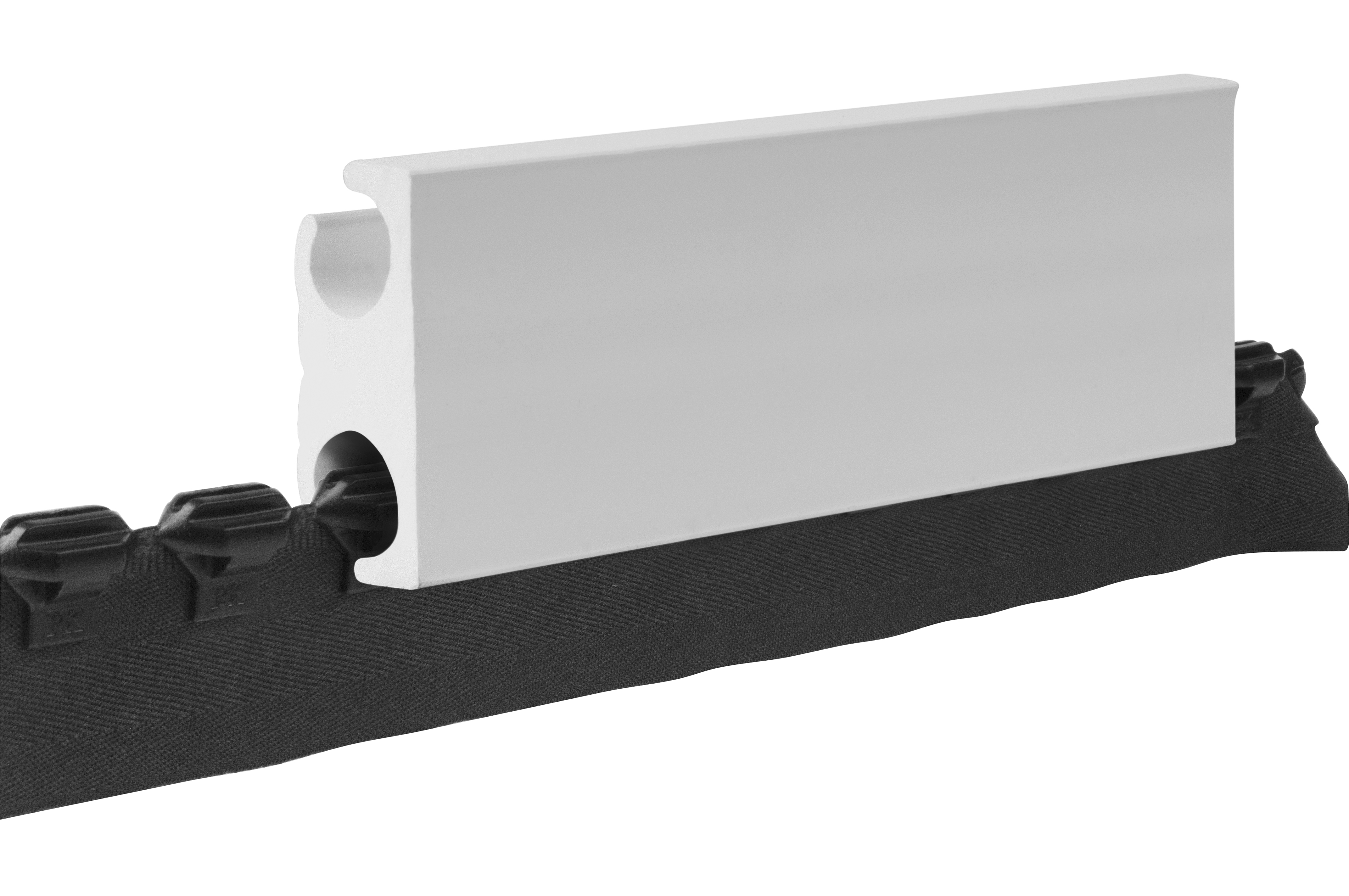
Paskal's rail / track zipper for retractable window / sun screen

Paskal's rail / track zipper for retractable window / sun screen

Paskal’s zippers play a crucial role in retractable window screens by ensuring smooth operation, durability, and a tight seal. Here’s how zippers are used in such systems:

1. Guiding Mechanism

  • Attachment to Fabric: The zipper is often integrated into the screen fabric to guide it along tracks or frames as it retracts or extends.
  • Track Alignment: Zippered edges fit into grooves in the side tracks, preventing misalignment and ensuring the screen moves smoothly without jamming.

2. Tension and Stability

  • Wind Resistance: Zippered screens are more stable in windy conditions. The zipper keeps the screen securely in place along the sides, reducing the risk of flapping or coming loose.
  • Insect Proofing: A zippered connection ensures there are no gaps along the edges, providing an effective seal to keep insects out.

3. Durability

  • Wear Resistance: High-quality zippers are designed to endure repeated use, resisting wear and tear from frequent retracting and extending.
  • UV and Weather Protection: In outdoor settings, zippers made from durable materials (like marine-grade polymers or treated metals) withstand UV exposure, rain, and humidity.

4. Versatility

  • Customization: Zippered retractable screens can be customized to fit various window sizes and shapes. The zipper mechanism adapts well to non-standard dimensions.
  • Automation Compatibility: Many modern retractable screens with zippers are motorized, allowing automated retraction and extension with remote controls or smart home systems.

5. Aesthetic Appeal

  • Seamless Integration: Zippered screens provide a clean, taut appearance when deployed, blending well with architectural designs.
  • Discreet Operation: The zipper mechanism is often hidden within the frame, maintaining a sleek look.

6. Cost savings: Over time, zippers can wear out, but they are generally replaceable without the need to replace the entire screen.

If you're considering installing zippered retractable screens, ensure you choose a product with high-quality zippers and a robust track system for optimal performance and longevity.

Paskal Zippers and Fasteners Rail / track zipper for Hurricane / extreme weather protection screens

Paskal Zippers and Fasteners Rail / track zipper for Hurricane / extreme weather protection screens

Paskal’s Zippers and Fasteners Heavy-duty rail zippers (also called track zippers or zip-track systems) are a critical component of hurricane and extreme-weather protection screens because they provide continuous, high-strength attachment between the screen fabric and the building structure.

Below is a clear explanation of why they are so important.

A. Continuous Load Distribution

This is the most critical advantage.

  • Wind pressure is spread along the entire length of the rail
  • Unlike snaps or grommets (point-load fasteners), rail zippers:
    • Prevent stress concentration
    • Greatly reduce the risk of fabric tearing or fastener pull-out

B. Extreme Wind Resistance

  • Rail zipper systems are engineered to withstand:
    • Hurricane-force winds
    • Rapid pressure changes
    • Wind-borne debris impact
  • They help the screen act as a flexible energy-absorbing membrane, not a rigid wall.

C. Preventing Screen Blow-Out and Edge Failure

  • Most storm-screen failures begin at the edges
  • Rail zippers:
    • Lock the screen edge securely into the structure
    • Prevent flapping, billowing, or zipper separation under load

D. Impact Containment

  • When debris strikes the screen:
    • The fabric flexes inward
    • The rail zipper prevents the edges from disengaging
    • Energy is dissipated across the screen surface instead of tearing at anchor points

E. Ease of Use and Reliability

  • Rail zippers allow:
    • Quick deployment without tools
    • Consistent alignment and tension
  • Fewer moving parts than roll-down shutters or panel systems
  • Minimal maintenance if UV- and corrosion-resistant materials are used

Comparison to Other Attachment Methods

Attachment Method

Weakness in Extreme Weather

Grommets & ropes

Point loads, tearing risk

Snaps

Can pop under pressure

Hook & Loop

Loses grip when wet or dirty

Cables

Difficult to tension evenly

Rail zippers

Continuous, high-strength attachment

Summary

Heavy-duty rail zippers are essential in hurricane protection screens because they:

  • Create a continuous, structural connection
  • Distribute wind and impact loads evenly
  • Prevent edge failure and screen blow-out
  • Enable fast, repeatable deployment
  • Meet strict hurricane engineering and code requirements

Without rail zippers, even the strongest screen fabric is vulnerable at its edges—making them one of the most critical components in extreme weather protection systems.

Top of Form

Bottom of Form

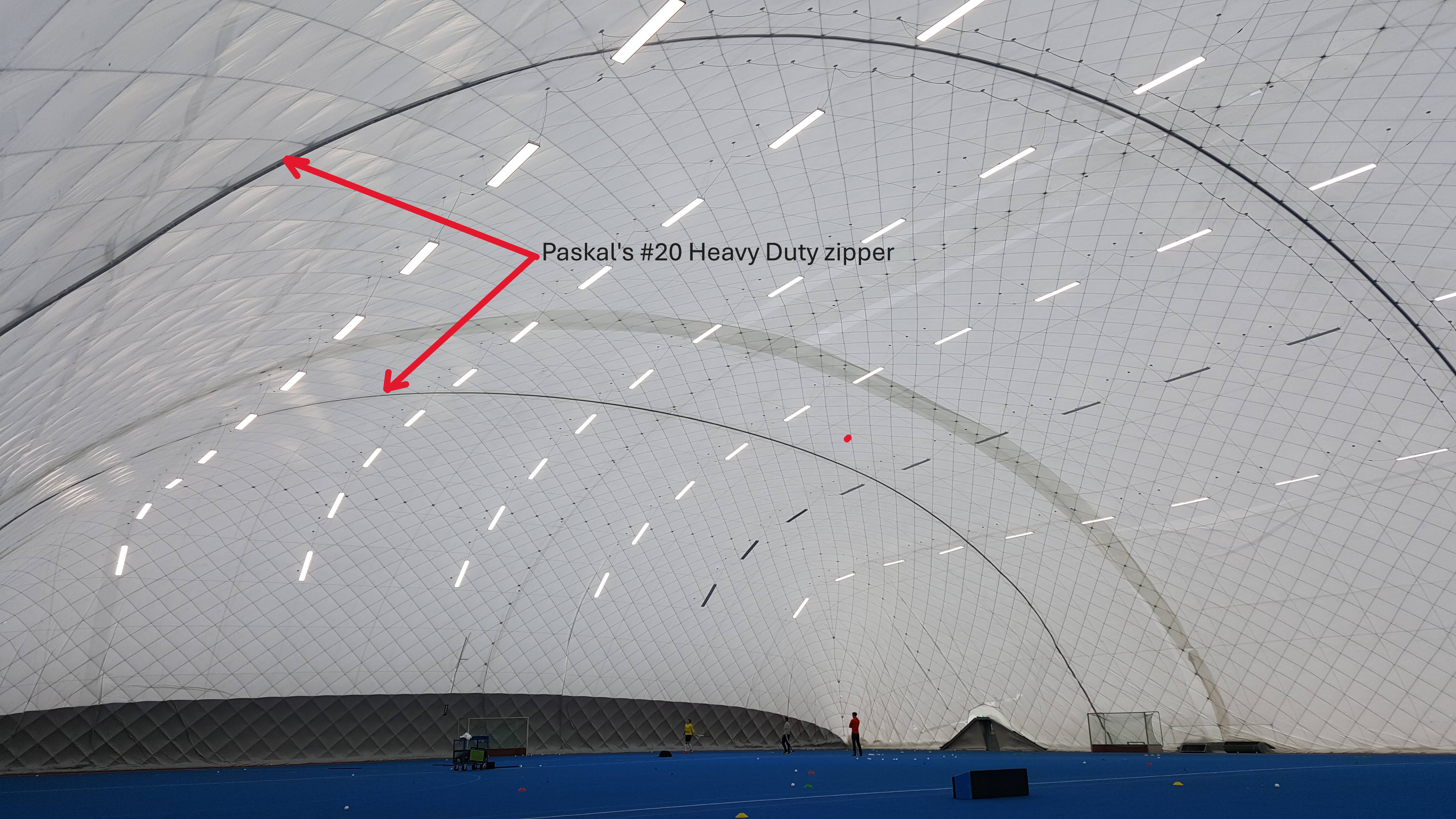
Paskal Zippers and Fasteners # 20 heavy duty zipper for inflatable & modular structures

Paskal Zippers and Fasteners # 20 heavy duty zipper for inflatable & modular structures

The Unsung Hero of Inflatable / Modular Structures: The Zipper

In heavy-duty inflatable / modular structures, zippers play a critical role in functionality, durability, and maintenance. Their primary roles include:

  • Sealing and Containment: Zippers create secure seals to maintain the structure's internal air pressure. This ensures the structure remains stable and functional.
  • Access and Entry: Zippers provide controlled entry and exit points, allowing easy access for personnel or equipment while maintaining the structure's integrity.
  • Maintenance and Repairs: Zippers allow for quick deflation and re-inflation during setup, transportation, or repairs, enhancing the structure's operational flexibility.
  • Customization and Expansion: Modular inflatable designs often rely on zippers to connect different sections or add new components, offering scalability and adaptability.
  • Pressure Management: High-quality, heavy-duty zippers are engineered to handle high tension and resist leaks, critical for maintaining consistent air pressure in large, load-bearing inflatables.
  • Safety Features: Durable zippers ensure structural safety under heavy use, preventing accidental openings or failures that could compromise the inflatable's integrity.

Paskal’s #20 zipper combine strength, precision, and weather resistance to meet the demanding requirements of these applications. These zippers can be stitched or welded to PVC or PVC coated fabrics.