
Synthetic Felt
Description
Nonwoven synthetic felt is a high-performance technical textile made from polyester fibers, manufactured using a needle-punch process that entangles the fibres into a dense, cohesive nonwoven fabric.
Material & Construction
-
Made predominantly from polyester fibres, which are engineered to produce a stable, durable felt structure.
-
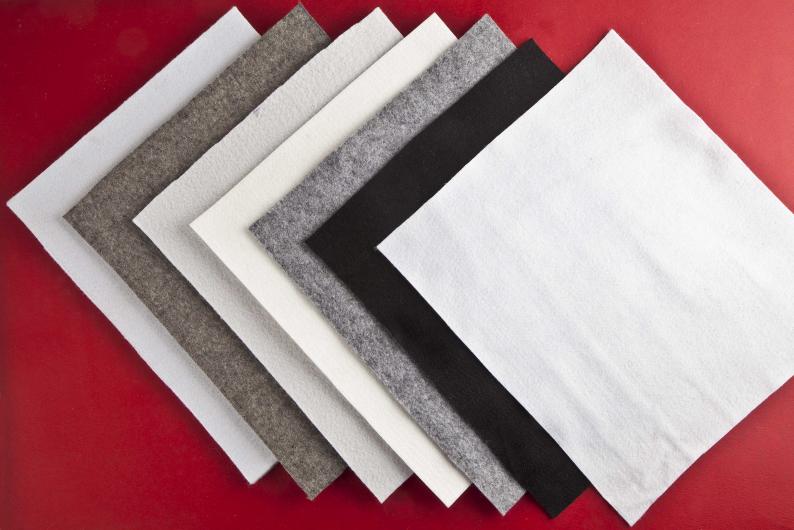
Available in black, white, or gray blends, with other colours available on special order.
-
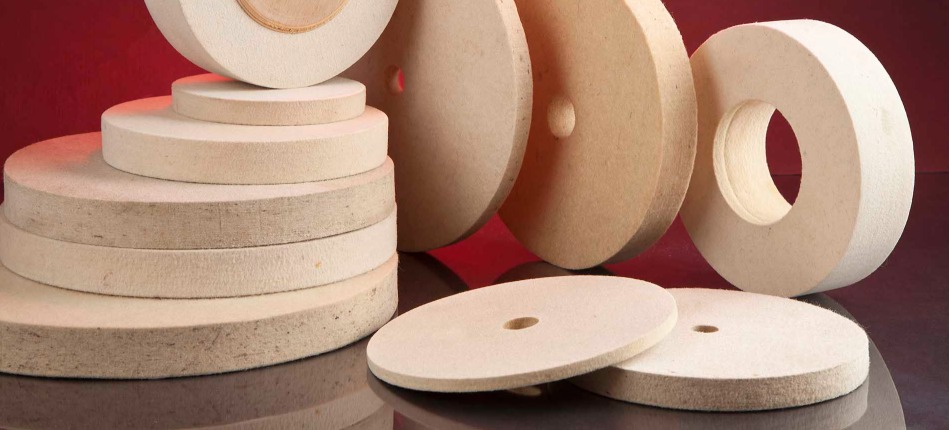
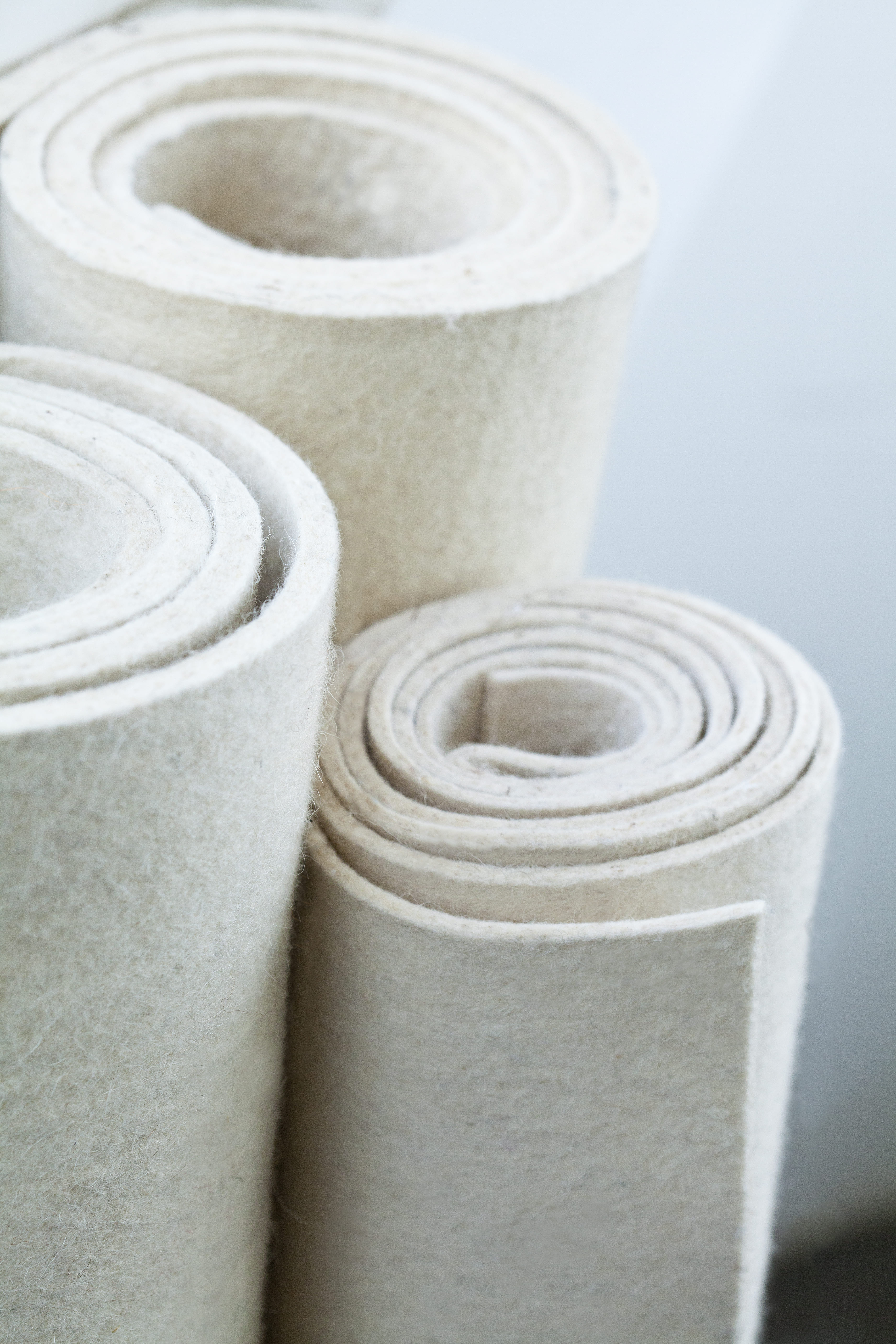
Produced in a range of densities and thicknesses (from as thin as 0.020″ up to 2″) to suit different industrial needs.
-
Consistent physical properties — uniform thickness and density for reliable performance across applications.
-
Good heat resistance — capable of handling continuous operating temperatures up to about 300 °F.
-
Chemical and mechanical durability — synthetic fibres resist many chemicals and hold up well under mechanical stress compared with some natural felts.
-
Flexible and compressible — offers a balance of strength and resilience, making it suitable for seals, cushions and pads.
- Typical Applications
Synthetic felt from Southern Felt & Geotex is commonly used in:
-
Filtration systems, where consistent fibre entanglement and pore structure are needed.
-
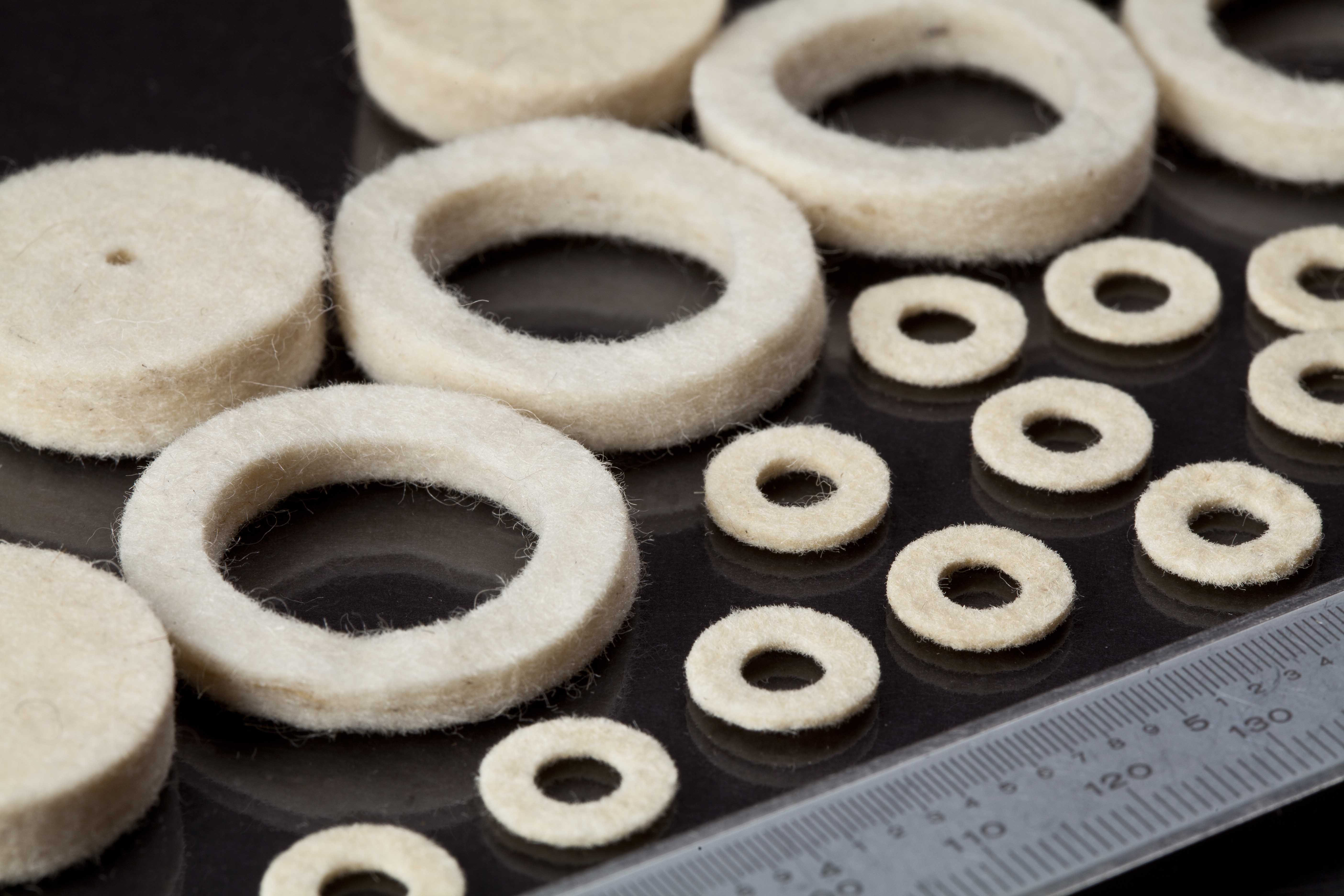
Gaskets and sealing pads for industrial equipment and machinery.
-
Wipers and wiping cloths in manufacturing environments.
-
Padding and cushioning materials where shock absorption or vibration dampening is required.
-
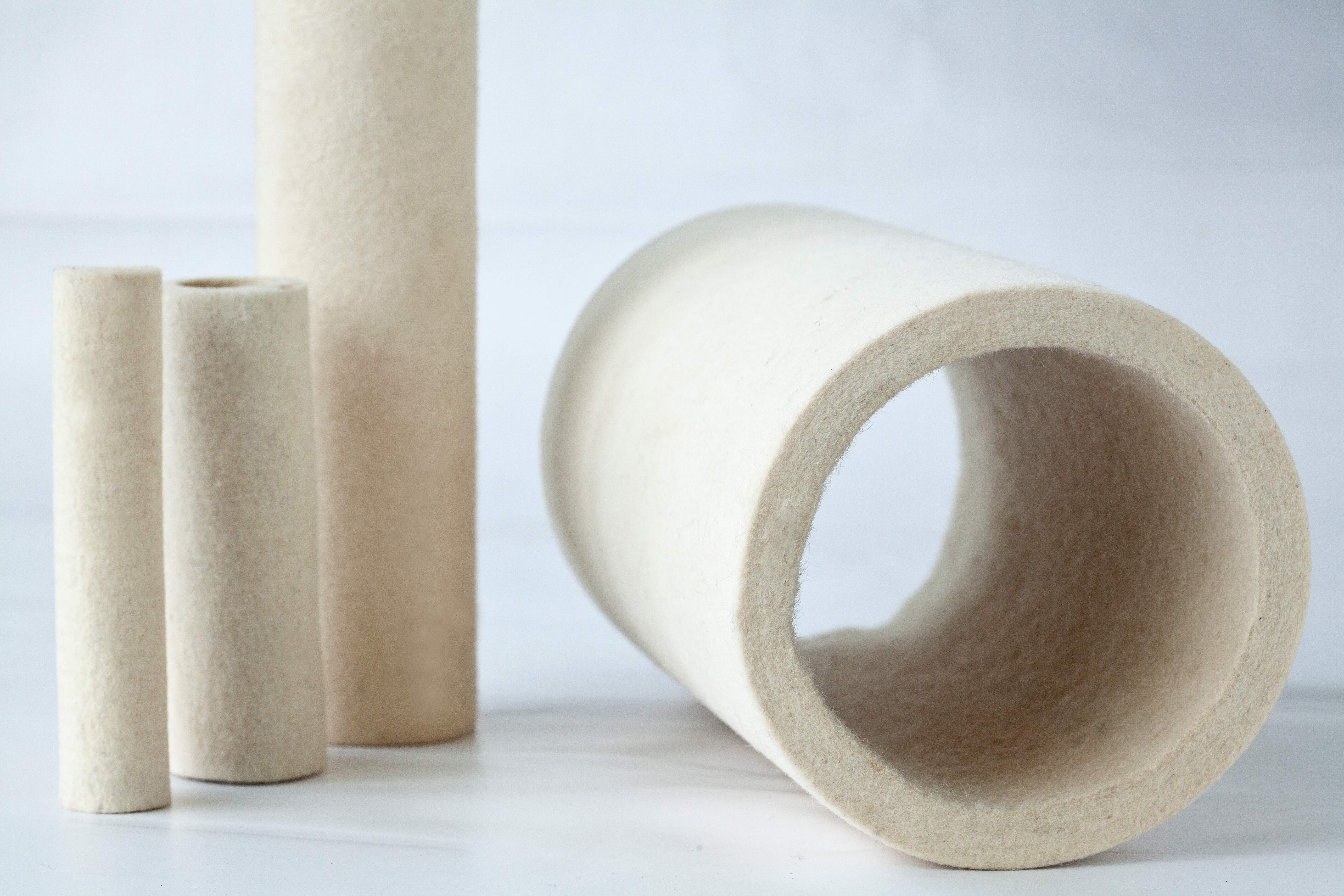
Southern Felt & Geotex can supply nonwoven synthetic felt in custom widths, thicknesses, densities and colours based on customer specifications, making it suitable for both standard industrial uses and specialised engineered components.
-